Craft Beer Gluten Free - If you love Gluten Free Pizza
Then You Will Really Love Gluten Free Beer from O’Brien’s
The Perfect Marriage: Gluten Free Beer & Gluten Free Pizza
Craft Beer Gluten FreeBeer with No Gluten O'Brien Is A World Leader in Gluten Free Beer All Australian
How is Gluten-Free Pizza Made? A gluten-free lifestyle can be tough. For many, eating out and wanting a beer when they are sensitive to gluten or are following a gluten-free diet is difficult.
Today, many restaurants and chains are beginning to listen to the growing needs of their customers and are offering better options. Gluten-free pizza has become one option. Nothing says the weekend like pizza and a O’Brien gluten free beer, so being able to order a gluten free pizza and O’Brien gluten free beer can feel like a victory.
Traditional pizza crust is made with flour, sugar, yeast, salt, water and oil. If you have a gluten sensitivity, flour can wreak havoc on your body. From digestive issues to lethargy to headaches – eating just one slice can ruin your entire day. not so with Gluten Free Pizza
Craft Beer Gluten Free - Gluten free pizza crust must not contain wheat, barley or rye. The crust is instead is often made with rice flour, modified rice starch, potato starch, tapioca flour, yeast, olive oil, evaporated cane sugar, salt, xanthan gum, and calcium sulphate.
Unlike traditional pizza crust, with a Gluten Free Pizza there is no need to let the pizza dough rise for an hour. However, for some homemade gluten-free pizza crusts, the crust should be cooked prior to adding any sauce, cheese, or toppings.
You can enjoy most of the pizza toppings available, except the ground beef and steak topping, if you are sensitive to gluten.
If a completely gluten-free diet is a requirement for you, it’s important to note that most restaurant kitchens are open environments and your food could be exposed to other ingredients that contain gluten.
If you’re sensitive to gluten, order a gluten free pizza and an O’Brien gluten free beer tonight.
Craft Beer Gluten Free
Craft Beer Gluten FreeBeer with No Gluten O'Brien Is A World Leader in Gluten Free Beer All Australian
Gluten Free Pizza That’s the Real Deal
This is 100% the real deal in gluten free pizza with the perfect gluten free pizza crust, tastes and looks, smells and feels like pizza.
There’s no weird ingredients and no complicated method needed – but the result will simply blow you away.
If you thought that you wouldn’t – couldn’t – enjoy real pizza ever again because of your gluten intolerance… think again.
Because this gluten free pizza dough recipe is a game changer.
I have a bucket list of foods I want to make allergy friendly. Pizza has always been very high on that list. No explanation needed. It’s pizza and we need pizza, and no gluten intolerance will stand between us and our pizza.
And yes, there are gluten free pizza recipes out there. There are. But… hear me out. A pizza crust should not contain eggs. Or milk. Or, god forbid, cauliflower. (Because, friends, I love cauliflower and all, but keep it away from my pizza.)
It also shouldn’t have the texture of a flat bread or, worse, a cracker.
A good gluten free pizza should have a thin crust in the middle, that’s crispy on the bottom and slightly soggy on top from the tomato sauce. It should have generous crust edges that are crispy at the surface and soft on the inside.
And if you’re panicking right now, thinking that I’m wishing for the impossible… I’m really not. Allow me to introduce gluten free pizza that is actually the real deal. It’s a bit of a mouthful, I know – let’s call the name a work in progress, but it definitely brings across the most important point: this gluten free pizza recipe produces a pizza that tastes like pizza Every Single Time.
The best gluten free pizza with simple toppings of tomato sauce, mozzarella cheese, cherry tomatoes and fresh basil.
The gluten free pizza dough is an adapted version of your classical pizza dough: gluten free flour, xanthan gum, salt, baking powder, yeast, olive oil, lukewarm water and a pinch of sugar to get the yeast going.
BUT… WHAT’S BAKING POWDER DOING IN MY PIZZA???
There’s actually a very good reason for adding baking powder to gluten free pizza dough. While xanthan gum ensures that gluten free dough has a certain degree of elasticity, it can’t completely replace the strands of gluten that form during prolonged kneading of wheat-containing bread.
No matter how annoying gluten can be, it does have an important role in breads and other doughs. And it’s not all just about elasticity and flexibility. It’s about trapping gas bubbles as they’re formed by the active yeast during the proofing process. And I’m sorry to say that gluten free doughs, no matter how brilliantly prepared, just aren’t as good at trapping these gas bubbles as your average wheat-containing dough. It’s tough, I know.
But this doesn’t mean that all’s lost. It just means we need to be cleverer about how to get to the perfect gluten free pizza dough. Enter baking powder. While the yeast does give the gluten free dough a bit of a rise before baking (and the all-important flavour of a yeasted dough), the baking powder ensures that the pizza dough gets an extra boost while in the oven.
The result? Nothing more and nothing less than pizza crust perfection.
MAKING AND BAKING THE REAL-DEAL GLUTEN FREE PIZZA
Making the actual pizza dough is as easy as anything. We’ll mix the lukewarm water, olive oil, sugar and yeast, and then add it to a mixture of gluten free flour, xanthan gum, salt and baking powder. Then we’ll mix mix mix. The resulting dough is sticky – and that’s okay. Gluten free doughs require more moisture, both in order to rise and to prevent drying out too much during baking.
I usually transfer the sticky dough onto a flat surface and do this weird thing with the bench scraper where I essentially spread the dough onto the surface, scrape it off, and repeat for about 2 minutes. There are two reasons for this: (a) it’s a dough and therefore in my mind it needs “kneading”, no matter how unnecessary that is with a gluten free dough, but more importantly (b) it ensures that the dough is super smooth.
The proofing time depends on how warm your kitchen is – 2 hours if warm and cozy, 3 hours if it’s miserable and cold. The dough won’t double in volume, so don’t waste time waiting for it to happen. It will increase a bit, but nowhere near as much as a wheat-containing dough. That’s alright. Don’t worry
Then comes the fun bit. Shaping the pizza and ALL THE TOPPINGS!!! I went simple with my pizza (tomato sauce, mozzarella, cherry tomatoes and fresh basil) but you can go as crazy as you want.
Also, there’s no need to pre-bake the crust or any silly things like that. Basically, treat this gluten free pizza dough as you would any old pizza dough. It’s cool like that.
A collage of step-by-step pictures about how to make the best gluten free pizza. Shaping the pizza crust, adding the toppings, baking the pizza, sprinkling with fresh basil.
DOES IT ACTUALLY TASTE LIKE PIZZA???
Does it taste like comfort and cheese and fun?
Does the cheese melt and get all gooey and stringy?
Is the tomato sauce chock-full of herbs and just perfect?
Is the pizza dough crispy and soft and slightly soggy from the sauce?
Is this the real deal, the answer to our gluten-free-pizza- prayers?
YES!!! So much yes.
So get baking!
P.S. And look: no cauliflower in sight!
Tab Sorghum Millet Beer
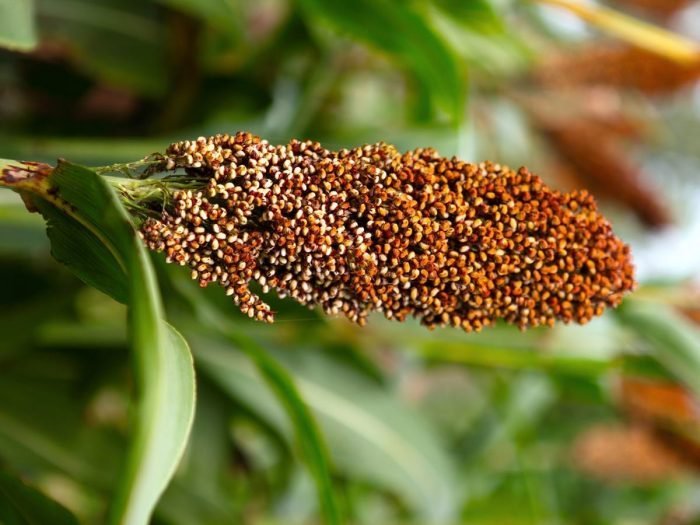
Craft Beer Gluten FreeBeer with No Gluten O'Brien Is A World Leader in Gluten Free Beer All Australian Gluten Free Sorghum Beer
One in 70 Australians are thought to be living with coeliac disease as such gluten-free beers are increasingly sought after.
However, many other people without coeliac’s are turning to drink O’Brien’s gluten free beers.
Most beer is made from barley and wheat malt to provide the fermentable sugars. Both contain gluten, meaning barley beers are no good for people with coeliac disease, or those on a gluten-free diet.
Gluten Free Sorghum Beer
Beer Made from Sorghum
Gluten Free Sorghum Beer and Gluten Free Millet Beers have their own character.
enjoying gluten free sorghum beer is appreciating them for their own unique flavours, rather than a barley beer.
The quality of gluten free sorghum beers continues to grow, the craft beer movement has beer drinkers appreciating appreciate variety of taste in different beer. time to enjoy a Gluten Free Sorghum beer.
Gluten Free Sorghum Beer and Gluten Free Millet Beers
O'Brien Gluten-Free Pale Ale
After he was diagnosed with coeliac disease in 1998, John O'Brien couldn't find any gluten-free beer that tasted as good as a traditional beer. Joined by award-winning home brewer and engineer Andrew Lavery, who was also diagnosed with coeliac disease, they set out to make beer that people on a gluten-free diet could enjoy.
O'Brien's Pale Ale is a golden ale on the gentle end of the American-style Pale Ale range. It has tropical fruit aromas over a slightly sweet but refreshing malt body and a lingering, crisp finish.
O'Brien Gluten-Free Premium Lager
According to O'Brien, you can't just buy malted gluten-free grains off the shelf - they don't exist. So, the brewer has developed its own process for malting millet and sorghum for its beers. These grains lend their own unique character to the beers.
O'Brien Gluten-Free Premium Lager is a clean and light-tasting Lager with a touch of malt sweetness. Generous bitterness lends a crisp finish to this slow-fermented Lager that rewards a job well done.
Craft Beer Gluten FreeBeer with No Gluten O'Brien Is A World Leader in Gluten Free Beer All Australian
What Is Sorghum?
Sorghum is the broad term for an entire genus of grasses that are native to tropical and subtropical regions around the world. While there are more than 30 different species of sorghum, only one is harvested for human consumption, while the others are primarily used as a fodder for animals. The important species for humans, Sorghum bicolour, is native to Africa, but can now be found all around the world as a staple food. It is also cultivated in many different countries. Sorghum is primarily used in the production of sorghum molasses, sorghum syrup and as a grain. Also, it can be used in the production of alcoholic beverages and even bio-fuels around the world. It is widely considered the fifth most important cereal crop in the world.
The versatility of sorghum, combined with the fact that it is acceptable for people with wheat allergies to eat, makes it extremely important as a staple crop in the world. Furthermore, the vast health benefits associated with sorghum make it a great alternative to other types of grains, grasses, and cereals that are commonly consumed across the globe.
Nutrition Gluten Free Sorghum Beer and Gluten Free Millet Beers
Sorghum is a powerhouse in terms of nutrients. When included in the diet, it can provide vitamins like niacin, riboflavin, and thiamine, as well as high levels of magnesium, iron, copper, calcium, phosphorous, and potassium, as well as nearly half of the daily, required intake of protein and a very significant amount of dietary fibre (48% of the recommended intake).
Health Benefits of Sorghum
Source: https://www.organicfacts.net/health-benefits/cereal/sorghum.html
The health benefits of sorghum in relation to our digestive process are innumerable. It helps in treating many diseases as well. Let’s discuss the benefits in detail.
Improves Digestive Health
It seems like many healthy foods contain some amount of dietary fibre, which greatly improves the functionality of the digestive system. However, sorghum is one of the best foods out there for dietary fibre. A single serving of sorghum contains 48% of your daily recommended intake of dietary fibre, means that your digestive tract will keep your food moving along rapidly, preventing cramping, bloating, constipation, stomach aches, excess gas, and diarrhoea. Furthermore, excess amounts of fibre in the body helps to scrape off dangerous cholesterol (LDL), which helps to improve heart health and protect your body from conditions like atherosclerosis, heart attack, and stroke.
The bran layer of the sorghum grains contains important antioxidants that are not found in many other types of food. Antioxidants are the beneficial compounds that neutralize and eliminate free radicals in the body, which often cause healthy cells in the body to mutate into cancerous cells.
Diabetes Control
Excessive carbohydrates break down into simple sugars and wreak havoc on the glucose levels in the body, leading to diabetes, or causing chaos for people who already suffer from this disease. However, the tannin-rich bran of sorghum actually has enzymes that inhibit the absorption of starch by the body, which can help to regulate insulin and glucose levels in the body. By keeping these levels balanced, diabetics won’t suffer as many plunges and spikes in their glucose levels, thereby preventing diabetic shock and other health complications.
Relieves Gluten Allergy
Celiac disease is a severe allergy to gluten, which is primarily found in wheat-based products. Surprisingly, gluten is found in thousands of normal food items, making the life for those suffering from celiac disease very difficult. Fortunately, alternative grains and grasses, such as sorghum, can be eaten safely by those suffering from this increasingly common condition, without the painful inflammation, nausea, and gastrointestinal damage that gluten causes.
Improves Bone Health
Magnesium is found in high quantities in sorghum, which means that your calcium levels will be properly maintained, as magnesium increases calcium absorption in the body. These two minerals are also integral to the development of bone tissue and speed up the healing of damaged or ageing bones. This can prevent conditions like osteoporosis and arthritis, thereby keeping you active and healthy into your old age.
Increases Circulation
Copper and Iron are also found in sorghum, and in a similar way as magnesium and calcium, copper helps to increase the absorption of iron into the body. This means a decreased likelihood of developing anaemia, which is another name for iron deficiency. With enough iron and copper in your system, red blood cell development is increased, thereby boosting circulation of the blood, stimulating cellular growth and repair, and increasing the hair growth of the scalp, while also boosting the energy levels in the body. A single serving of sorghum contains 58% of your daily recommended intake of copper.
Boosts Energy Levels
Niacin, also known as vitamin B3, is a key component in transforming food into usable energy and fuel for the body. Breaking down and metabolizing nutrients into energy will keep your energy levels stable throughout the day. Sorghum contains 28% of your recommended niacin intake per day.
Word of Caution: There are no known concerns or cautions against adding sorghum to your diet. As it is a grass, there is the possibility of some people being allergic to it, but the cases of sorghum being allergenic are very rare. Furthermore, with the high content of certain minerals and vitamins, the only real danger is getting too much of a good thing, so eat sorghum in moderation and enjoy all of the wonderful health benefits!
Sorghum beer is one of the most popular drinks in South Africa. It is very easy to prepare and can be brewed at home using sorghum malt. Continue reading to learn some interesting facts about this beer.
In South Africa, as well as China, sorghum is used in the production of beverages and is considered a very important ingredient. In South Africa, it is used to make beer, whereas in China, it is used in the making of distilled beverages like kaoliang and maotai. It is used instead of barley grain in many places, to make a malt which is used in gluten-free beer. Also, a large-scale production of sorghum is not as expensive as that of barley.
Popularly known as bil-bil in Cameroon, burukutu in Nigeria, pombe in East Africa, and bjala bja setso in Northern Sotho, sorghum beer is a very popular beverage among health-conscious drinkers. The early brands of this beer which were produced and marketed throughout the United States were: Redbridge, launched by Anheuser-Busch in St. Louis, Missouri; and New Grist, launched by Lakefront Breweries in Milwaukee, Wisconsin.
This beer normally has a cloudy, pinkish-brown appearance, and a sour, fruity taste. It is low in carbohydrates and rich in protein. Its alcohol content generally varies between 1% and 8%. It can also be consumed at room temperature and need not necessarily be chilled.
Source: https://www.organicfacts.net/health-benefits/cereal/sorghum.html
Gluten Free Sorghum Beer and Gluten Free Millet Beers
Craft Beer Gluten FreeBeer with No Gluten O'Brien Is A World Leader in Gluten Free Beer All Australian
TAB Frequent Questions
Craft Beer Gluten FreeBeer with No Gluten O'Brien Is A World Leader in Gluten Free Beer All Australian Gluten Free Beer and Coeliac Disease
Coeliac disease is an intolerance to gluten that affects 1 in 70 Australians. Around 80% of these are undiagnosed, meaning many Australians who have coeliac disease don’t know they have it.
For those that do have a gluten intolerance it doesn’t mean refreshing beer is off the cards, O’Brien’s gluten free beers are available
What is a Coeliac disease?
Coeliac disease is caused by a reaction to gluten found in three types of cereals: wheat, barley and rye. It’s an autoimmune condition where the body’s defence against infection – mistakenly considers substances found in gluten as the threat to the body and attacks them. This damage and inflames the surface of the small intestines, disrupting the body’s inability to absorb nutrients from food.
Coeliac disease is known as 'multi-system' disorder since its symptoms vary from person to person, affect any area of the body and can range from very mild to severe. Symptoms also differ between individuals in terms of type and severity. Most of its symptoms are associated with indigestion such as diarrhoea, stomach pains, constipation, flatulence, and lethargy. Coeliac disease can also cause other non-digestive related symptoms including unexpected weight loss, itchy rash, nerve damage and even ataxia (loss of coordination and balance).
It is not entirely clear what causes the immune system to act in this way but medical experts believe it can be associated with genetic mutations (abnormal changes to the instructions that control cell activity) and environment factors. There is no cure yet for coeliac disease, but switching to a strict, lifelong gluten-free diet is currently the only recognised medical treatment. It is best to avoid pasta, cakes, cereals, most types of bread, oats and certain types of ready meals. With wheat and barley being two of the main culprits of gluten problems, beer also comes to the forefront of products on the ‘do not consume’ list for the gluten-free people.
Why does Gluten Free Beer Exist?
People with gluten intolerances and coeliac have to deal with a lot of adversity, not the least of which is explaining that they're not one of the many people who think that going 'gluten-free' is a fad diet rather than a serious medical issue. Good news! In the past few years remarkable strides have been made by O’Brien’s in crafting gluten-free beers.
How is O’Brien’s Gluten Free beer made Craft Beer Gluten FreeBeer with No Gluten O'Brien Is A World Leader in Gluten Free Beer All Australian
Gluten-free beers can be categorised into three groups: gluten-reduced beer, gluten-free beer and dedicated gluten-free beer. Each category is brewed differently from the others:
Gluten Free Beers
Gluten free beers are made with gluten-free ingredients. Tests must show that they are less than 20ppm gluten. They can be labelled “Gluten-Free” in their packaging. This category, however, has potential risks of cross-contamination because the majority of gluten-free beers are also produced on lines that also produce traditional barley.
O’Brien’s Dedicated Gluten Free Beer
This category of beers is also made with gluten-free ingredients. Tests must also show that it has below 20 ppm of gluten. However, unlike the gluten-free beers, the facility used by the company only produces gluten-free beer products and nothing else. Thus, there is little to no risk of gluten cross-contamination in the beers.
O’Brien’s Gluten Free Beers in Australia
The most innovative and award-winning brewery for their gluten-free beers is the O’Brien Brewing company which is also known as Rebellion Brewing.
In 2013, O’Brien’s Belgian Ale won a Gold Medal at the Australian International Beer Awards (AIBA). The judging panel was headed by the Craft Beer Industry Association chairman Brad Rogers who said the O’Brien Belgium Ale was a “great result and a reflection that this beer is of the highest standard and quality in its category.” Their Belgian Ale made with pale, lightly roasted sorghum malt, millet malt and Belgian candy sugar.
After John O'Brien was diagnosed with coeliac disease in 1998, he could not find any gluten-free beer that tastes as good as the traditional beer. Together with the award-winning home brewer and engineer Andrew Lavery, who was also diagnosed with coeliac disease, they set out to make beer that people on a gluten-free diet could enjoy.
According to O'Brien, you can't just buy malted gluten-free grains off the shelf - they don't exist. So the brewers of their beer have developed its own process for malting millet and sorghum for its beers. These grains lend their own unique character to the beers. Their beers are 100% gluten free.
Other award-winning beers by O’Brien are their Brown Ale, Pale Ale and Premium Lager.
Differences between Australia’s Labelling of Gluten-Free Beers and Overseas
Labelling of gluten-free beers varies around the world. For example in the United States, Canada and Europe, a beer is considered gluten free if the gluten level is under 20 parts per million.
In addition to limiting the unavoidable presence of gluten to less than 20ppm, the US Food and Drug Administration allows manufacturers to label a food ‘gluten-free’ if the food does not contain any of the following:
An ingredient that is any type of wheat, rye, barley, or crossbreeds of these grains
An ingredient derived from these grains and that has not been processed to remove gluten
An ingredient derived from these grains and that has been processed to remove gluten if it results in the food containing 20 or more parts per million (ppm) gluten
In Australia, there is a stricter and more confined definition of what is ‘gluten free’.
For a beer to be labelled ‘gluten-free’ it must have zero particles of detectable gluten. If it doesn’t reach that requirement it is labelled as “gluten-reduced.” In fact, there are existing food labelling laws in Australia which have made it a requirement for products containing gluten to be declared on labels at all time – whether it is present as an ingredient, a food additive or a processing aid. ‘Contains gluten’ is an example of what to look for on a product label.
If there’s a possibility that the food may have been contaminated with gluten, such as when a machinery used for the gluten-containing product was used, a declaration such as “may contain gluten” must be displayed.
This category of beers is also made with gluten-free ingredients. Tests must also show that it has below 20 ppm of gluten. However, unlike the gluten-free beers, the facility used by the company only produces gluten-free beer products and nothing else. Thus, there is little to no risk of gluten cross-contamination in the beers.
Information below from https://www.coeliac.org.au/coeliac-disease/
What is coeliac disease?
Who gets coeliac disease?
How common is the condition?
Can coeliac disease be cured?
What are the long term risks of undiagnosed and untreated coeliac disease?
What is coeliac disease?
In people with coeliac disease (pronounced ‘seel-ee-ak’ and spelt celiac in some countries) the immune system reacts abnormally to gluten (a protein found in wheat, rye, barley and oats), causing small bowel damage. The tiny, finger-like projections which line the bowel (villi) become inflamed and flattened. This is referred to as villous atrophy. Villous atrophy reduces the surface area of the bowel available for nutrient absorption, which can lead to various gastrointestinal and malabsorptive symptoms. Symptoms can also be caused by inflammation in other parts of the body.
A number of serious health consequences can result if the condition is not diagnosed and treated properly.
Who gets coeliac disease?
Coeliac disease affects people of all ages, both male and female.
You must be born with the genetic predisposition to develop coeliac disease. The most important genes associated with susceptibility to coeliac disease are HLA DQ2 and HLA DQ8. Either one or both of these genes are present in the majority of people with coeliac disease. While 50% of the population carry one or both of these genes, only 1 in 40 of these people (approximately) will get coeliac disease.
A first degree relative (parent, sibling, child) of someone with coeliac disease has about a 10% chance of also having the disease. If one identical twin has coeliac disease there is an approximate 70% chance that the other twin will also have coeliac disease (but may not necessarily be diagnosed at the same time). If you or a close family member have been diagnosed with coeliac disease, download the family screening letter, which has been designed to take to a GP to request screening for family members who have not already been tested.
Environmental factors play an important role in triggering coeliac disease in infancy, childhood or later in life.
How common is the condition?
Coeliac disease affects on average approximately 1 in 70 Australians. However, around 80% of this number remain undiagnosed. This means the vast majority of Australians who have coeliac disease don’t yet know it.
Although better diagnosis rates in recent years can be partially attributed to improved awareness of the condition, there has also been a true increase in the incidence of coeliac disease
Can coeliac disease be cured?
People with coeliac disease remain sensitive to gluten throughout their life, so in this sense they are never cured. However, a strict gluten free diet does allow the condition to be managed effectively.
A strict, lifelong gluten free diet is currently the only recognised medical treatment for coeliac disease. By removing the cause of the disease, a gluten free diet allows the small bowel lining to heal and symptoms to resolve. As long as the gluten free diet is strictly adhered to, problems arising from coeliac disease should not return. Relapse occurs if gluten is reintroduced into the diet.
What are the long-term risks of undiagnosed and untreated coeliac disease?
The long-term consequences of untreated coeliac disease are related to chronic systemic inflammation, poor nutrition and malabsorption of nutrients. For more information, see Associated Conditions.
Fortunately, timely diagnosis of coeliac disease and treatment with a gluten free diet can prevent or reverse many of the associated health conditions.
Coeliac disease in plain English
Download the plain English fact sheet for an overview of what coeliac disease is, possible symptoms and how it is diagnosed written in simpler language.
https://www.coeliac.org.au/uploads/65701/ufiles/Fact_sheets/PlainEnglishCD.pdf
Craft Beer Gluten FreeBeer with No Gluten O'Brien Is A World Leader in Gluten Free Beer All Australian
Craft Beer Gluten Free O’Brien Gluten Free Beer Australia’s Best Gluten Free Beers from O'Brien Brewing
Craft Beer Gluten FreeBeer with No Gluten O'Brien Is A World Leader in Gluten Free Beer All Australian
Craft Beer Gluten Free Near Me Looking for Gluten Free Beer O'Brien's Gluten Free Beers
Craft Beer Gluten Free The Best Gluten Free Beer Is from Australia - O’Brien’s Gluten Free Beer
Craft Beer Gluten Free Celiac Disease Beers No Gluten Beer Stockists Across Australia
Craft Beer Gluten Free Stockist No Gluten Beer in My Location
Craft Beer Gluten Free O’Brien Beer the Best Gluten Free Beer Brand
Craft Beer Gluten Free O’Brien Beer 100% Australian Gluten Free Beer
Craft Beer Gluten Free O’Brien Beer Gluten Free 0from Rebellion Brewing's Gluten Free Beers
Craft Beer Gluten Free Sydney Inner City CBD Sydney Locations Gluten Free Beer
Craft Beer Gluten Free No Gluten Beer Without Gluten Sorghum Millet-Based Beer
Craft Beer Gluten Free Where to Buy Gluten Free Beer Nearest Gluten Free Beer Outlets
Craft Beer Gluten Free No Gluten Celiac Gluten Beer Without Gluten All Australian Gluten Free
Craft Beer Gluten Free Gluten Removed Craft Beers O’Brien Australian Gluten Free Beer
Craft Beer Gluten Free Best No Gluten Beers Most Popular Gluten Free Beer Australia
Craft Beer Gluten Free O’Brien’s No Gluten Organic Beer Sorghum Millet Beer
Craft Beer Gluten Free - Gluten Free Beers Beer Made Without Gluten
Craft Beer Gluten Free Local Stockist of Gluten Free No Gluten Beer
Craft Beer Gluten Free O’Brien’s No Gluten Brand Beers Best Tasting Beer
Craft Beer Gluten Free O’Brien’s Made in Australia Gluten Free Beers
Craft Beer Gluten Free Gluten Free Beers Find No Gluten Beer Australian No Gluten Beers
Craft Beer Gluten Free O’Brien Beer Proudly Australian World Leading Gluten Free Beers
Craft Beer Gluten Free Stockist Near Me Where to Buy Gluten Free Beer
Craft Beer Gluten Free Inner Sydney Balmain Glebe Paddington Gluten Free Beer
Craft Beer Gluten Free No Gluten Beer from Sorghum and Millet
Craft Beer Gluten Free Inner Sydney Balmain Glebe Paddington Gluten Free Beer
Craft Beer Gluten Free Local Stockist of Gluten Free Beer
Craft Beer Gluten Free Find Gluten Free Pizza Locations Near Me
Craft Beer Gluten Free New Farm Inner City East Brisbane No Gluten Pizza
Craft Beer Gluten Free Near Me Balmain Glebe Paddington Gluten Free Beer
Craft Beer Gluten Free No Gluten Pizzas Made Without Gluten Near Me
Craft Beer Gluten Free No Wheat Gluten Free Beer Made Without Wheat
Craft Beer Gluten Free No Gluten Beer No Wheat Beer
Craft Beer Gluten Free Gluten Free Beer Made Without Wheat from Sorghum Millet
Craft Beer Gluten Free Beer with No Gluten Brewed Without Wheat from Millet Sorghum
Craft Beer Gluten Free O’Brien Gluten Free Beer
Craft Beer Gluten FreeBeer with No Gluten
Craft Beer Gluten Free Near Me
Craft Beer Gluten Free Best Gluten Free Beer
Craft Beer Gluten Free Celiac Disease Beers
Craft Beer Gluten Free Stockist No Gluten
Craft Beer Gluten Free O’Brien Beer
Craft Beer Gluten Free O’Brien Beer
Craft Beer Gluten Free O’Brien Beer Gluten Free
Craft Beer Gluten Free Sydney Inner City
Craft Beer Gluten Free No Gluten
Craft Beer Gluten Free Where to Buy
Craft Beer Gluten Free No Gluten Celiac
Craft Beer Gluten Free Gluten Removed Beers
Craft Beer Gluten Free Best No Gluten Beers
Craft Beer Gluten Free O’Brien’s No Gluten
Craft Beer Gluten Free - Gluten Free Beers
Craft Beer Gluten Free Local Stockist
Craft Beer Gluten Free O’Brien’s No Gluten
Craft Beer Gluten Free O’Brien’s
Craft Beer Gluten Free Gluten Free Beers
Craft Beer Gluten Free O’Brien Beer
Craft Beer Gluten Free Stockist Near Me
Craft Beer Gluten Free Inner Sydney
Craft Beer Gluten Free No Gluten
Craft Beer Gluten Free Inner Sydney
Craft Beer Gluten Free Local Stockist
Craft Beer Gluten Free Find Gluten free Pizza
Craft Beer Gluten Free Near Me
Craft Beer Gluten Free Near Me
Craft Beer Gluten Free No Gluten Pizzas
Craft Beer Gluten Free No Wheat Gluten Free
Craft Beer Gluten Free No Gluten Beer
Craft Beer Gluten Free Gluten Free Beer
Craft Beer Gluten Free Beer with No Gluten
Vvvvvvv
Gluten Free Beer Australia
Craft Beer Gluten Free
Gluten Free Beer Stockist
Organic Gluten Free Beer
Beer Without Gluten
Gluten Free Beer Near Me
Gluten Free Beer Brands
Australian Gluten Free Beer
Gluten-Free Beer
Gluten Free Beer In
Gluten Free Millet Sorghum Beer
Gluten-Free Beer
Obrien Gluten Free Beer
Craft Gluten Free Beer
Gluten Free Beers
Organic Gluten Free Beer
Beer Without Gluten
Gluten Free Beer Near Me
Best Gluten Free Beer
Gluten Free Beer Brands
No Gluten Beer
Australian Gluten Free Beer
Obrien’s Gluten Free Beer
Gluten Free Beer In
Gluten Free Millet Sorghum Beer
Gluten free Pizza In
Gluten Free Pizza Near Me
Gluten Free Pizza Locations
Gluten Free Pizza Brisbane
Gluten Free Pizza Sydney
Gluten Free Pizzas
Wheat Free Beer
No Wheat Beer
Millet Sorghum Beer
Millet Sorghum Beer